



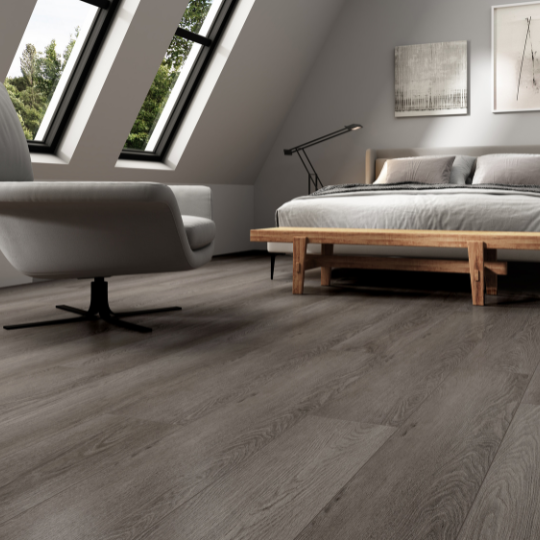

What Is High Pressure Laminate (HPL) Flooring?
Remica’s High Pressure Laminate (HPL) flooring is made from layered kraft paper, a decorative surface design, and a durable resin finish. This structure creates flooring that’s strong, stylish, and resistant to everyday wear. For projects that require added rigidity and waterproofing, HPL-SPC flooring combines the HPL surface with a stone-plastic composite (SPC) core.
Flooring has to do more than look nice. It gets walked on, spilled on, and pushed around every single day. That’s where high pressure laminate (HPL) flooring comes in. People like it because it looks like real wood but holds up better against scratches and stains.

Classification of HPL-SPC Flooring
Remica’s HPL-SPC flooring is grouped by wood grain design, giving customers the look of natural timber with the strength of a stone-plastic composite core.
- Oak is one of the most common choices. It has a lighter tone and a clean, natural finish that works in almost any room style.
- Walnut brings a darker color and a strong grain. It gives floors a richer, more traditional look that feels close to real hardwood.
- Teak stands out for its warm brown shades. It’s a good option if you want a tropical style or a bolder floor pattern.
Beyond the grain patterns, the surface finish also changes the look and feel.
- A natural finish shows subtle detail without being too bold.
- An original finish comes closer to raw wood.
- A textured finish adds depth and makes the floor feel more realistic underfoot.
Every style of HPL-SPC flooring from Remica is built for performance. The SPC core makes each plank waterproof, fire-resistant, and scratch-resistant. That means it won’t swell from moisture, it stands up to daily wear, and it holds steady even in high-traffic areas.
By combining a decorative HPL surface with a solid SPC base, this flooring balances design with durability, giving homeowners and businesses a practical choice that doesn’t sacrific
HPL vs. HPL-SPC vs. Traditional Laminate
Choosing between different flooring types often comes down to strength, water resistance, and where they’ll be used. Here’s a quick comparison:
- Traditional Laminate – Affordable and decorative but limited in durability. It swells easily if exposed to water, making it less suitable for kitchens, bathrooms, or entryways. Best used in bedrooms or light-traffic areas.
- HPL Flooring – Made with layered kraft paper and a protective resin surface. More durable than traditional laminate, with better scratch resistance. Works well in living rooms, offices, and commercial spaces that don’t see heavy moisture.
- HPL-SPC Flooring – Combines the HPL surface with a rigid stone-plastic composite core. Completely waterproof, highly scratch- and fire-resistant, and stable under heavy use. The premium choice for kitchens, bathrooms, hotels, and busy public areas.
Among the three, HPL-SPC flooring is the clear upgrade when long-term durability and water resistance are priorities.


Applications of HPL-SPC Flooring
Remica’s HPL-SPC flooring can be used in many different settings.
In homes,
it fits in living rooms and bedrooms where people want the look of wood without worrying about scratches. In kitchens, the waterproof core is the real advantage—it won’t swell if water is spilled or the floor is mopped daily.
For offices and shops,
the rigid core keeps the planks stable even with constant foot traffic. Showrooms benefit too since the surface stays sharp and presentable, even when customers walk through all day.
In hotels and restaurants,
floors take a lot of wear. Chairs are pulled back and forth, carts roll across, and cleaning happens often. HPL-SPC handles that without losing its finish.
Schools and hospitals need safe,
low-maintenance floors. Because it is scratch-resistant and fire-resistant, HPL-SPC flooring holds up where many people are moving around at once.
Most importantly, it works best in wet or heavy-traffic areas—bathrooms, entryways, kitchens, and hallways. Places where ordinary laminate would break down fas
Our Service
Remica’s flooring is more than just the product itself. We support every stage of the project.
We give customers choices. Different grains, colors, and finishes can be matched to the space. Light oak for a softer look, walnut for something richer, or teak if a bolder style is needed. Surfaces can be smooth, original, or textured depending on preference.

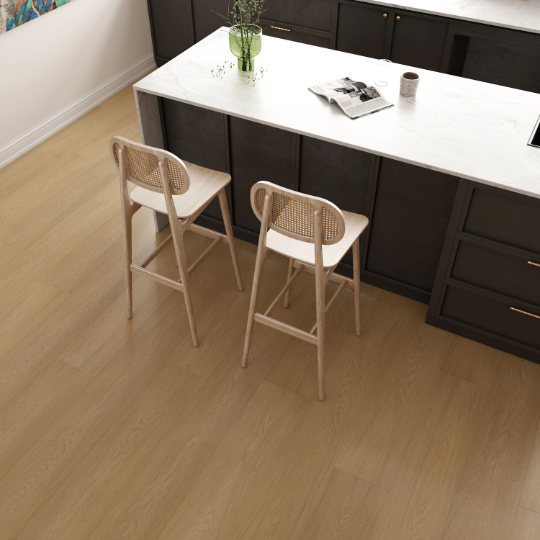
For installation, we rely on the Unilin locking system. It’s a patented click system that doesn’t need glue and goes down quickly. The boards simply lock together, creating a stable, seamless surface. When a project requires something different, we can also develop customized locking systems to fit specific flooring materials or unique site needs.
We help customers choose, too. Not every job calls for the same type of floor, so our team guides clients on when standard HPL works and when HPL-SPC is the better option. And we stand behind the product. After-sales service and warranty support are always part of the package, giving long-term confidence in the investment.
About Remica
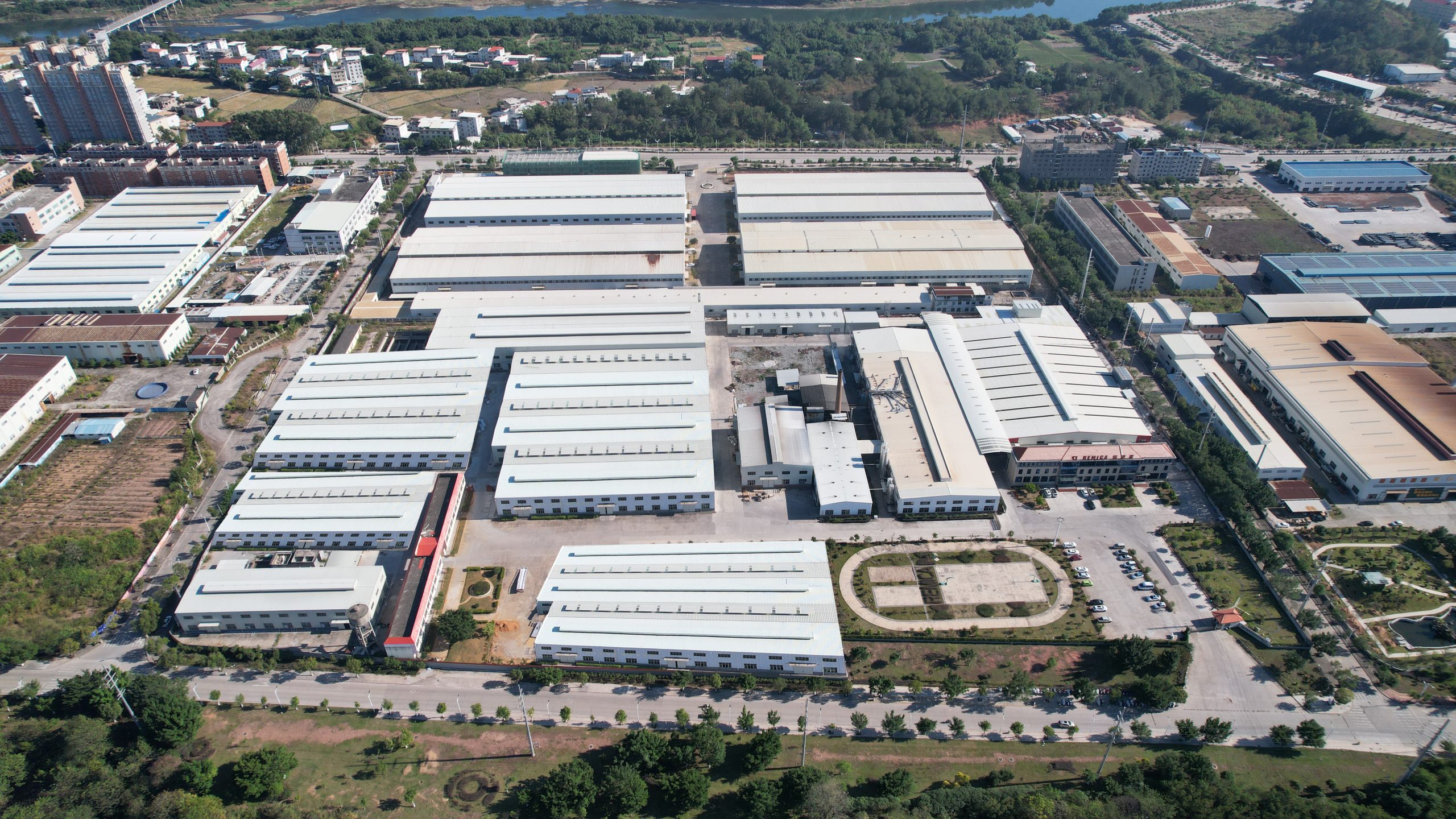
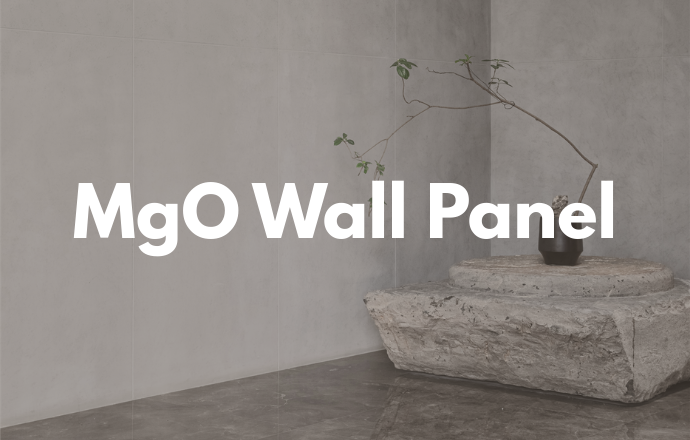
Remica was founded in Hongkong in 2013. The company produces high-pressure laminate (HPL), MgO wood fiber board, waterproof flooring, fire-proof wall panels, and others.
Its main factory is in Longyan, Fujian. The site covers 130,000 square meters and runs five production lines with an annual output of six million HPL sheets.
Remica has expanded with branches in Zhuhai, Shenzhen, Dongguan, Hong Kong, and Wuxi, along with warehouses in several major Chinese cities. The company invests in research and development and follows two principles: Striving for Innovation and Customer First.


Flooring has to do more than look nice. It gets walked on, spilled on, and pushed around every single day. That’s where high pressure laminate (HPL) flooring comes in. People like it because it looks like real wood but holds up better against scratches and stains. And if you’re worried about water damage in kitchens or bathrooms, there’s an even tougher option—HPL-SPC flooring. It’s built with a solid core that adds extra strength and protection.
Conclusion
HPL flooring is tough and good-looking. HPL-SPC goes further, with a rigid, waterproof core built for heavy use. Both come from Remica, a company with years of experience in design and production. If you’d like to see samples or talk through options, our team is ready to help.
Yes. The SPC core makes it fully waterproof, so it won’t swell from spills or humidity.
HPL-SPC is stronger thanks to its rigid core, making it more stable in heavy-use areas.
Yes. It performs well in moisture-prone spaces where regular laminate would fail.
Yes. The HPL surface is built to resist scratches from daily traffic and furniture.
 English
  Russian
  Spanish
  Arabic
  German
  Chinese
  Thai
Thai  Vietnamese
  Italian
  French
  Portuguese
  Turkish
  Korean