



HPL Sheet Thickness for Countertops
HPL sheet thickness affects how a countertop or vanity top performs over time.
This article will explain common HPL sheet thickness options, first how thickness differs for kitchen countertops and then bathroom vanity tops, and when a compact laminate thickness is the better choice for any wet areas, especially in bathrooms.
Why HPL Sheet Thickness Matters
HPL sheet thickness affects how a countertop or vanity top behaves during fabrication and after installation.
Thinner sheets depend more on a substrate and require more care to avoid edge issues. Thicker sheets are easier to handle when edging, cutting, or adding sink and faucet openings.
Bathrooms and kitchen spaces also stress materials in different ways. Bathroom vanity tops deal with constant moisture and humidity. Kitchen surfaces face more impact and daily wear. Designers usually focus on appearance and edge detail.
Distributors tend to focus on thickness consistency, repeat orders, and predictable supply.


Standard HPL Sheet Thickness Options
HPL sheets come in a few standard thickness options that are used mainly as surface layers. These sheets are not meant to be used by themselves.
For bathroom vanity tops and kitchen countertops, they are glued onto a base like plywood or MDF. The thickness of the HPL sheet needs to match the base material and the edge style being used.
For the distributors, steady thickness helps to avoid any problems during supply and installation. For designers, it helps keep the finished surface looking clean and consistent across all units.
Recommended Thickness by Application
Kitchen countertops take a lot of use. Things get dropped. Items get pushed and dragged.
The surface gets cleaned many times a day. Because of this, a thicker HPL sheet usually works better. It feels stronger and holds up better at the edges and cut areas. Problems are less likely to show up over time.
Bathroom vanity tops have a different problem. Bathroom vanity tops are around water all the time. Sinks get used nonstop. Water splashes, steam comes and goes.


Compact Laminate Thickness for Wet Areas
Compact laminate is different from standard HPL sheets. It is thicker and made to be solid all the way through, not just a surface layer on a base. Because of this, thickness plays a bigger role in how it performs. The sheet supports itself and does not rely as much on plywood or MDF underneath.
This is why compact laminate is often used in wet areas and spaces that get heavy use. Water, steam, and frequent cleaning are less of a problem. Edges hold up better, even when they stay damp.
There are trade-offs, though. Compact laminate sheets are heavier, which affects handling and installation. They also cost more and may take longer to produce, especially for custom sizes or finishes.
Thickness & Finish for HPL Sheet
Thickness and finish kind of go together, you can’t really look at one without the other.
Matte and textured finishes hide the wear better, most of he people already know that, but they still need the sheet to be even underneath. If thickness is off, you’ll see it after cutting or edging, especially on bigger panels.
Anti-fingerprint finishes are nice too, but only when the sheet stays flat. If it doesn’t, it shows.


Performance Considerations with HPL
How the surface holds up is tied to this more than people expect. When thickness stays the same, scratches don’t stand out as much and cleaning is easier. Stains come off better. Harsh cleaners don’t break things down as fast.
When thickness changes from one sheet to the next, wear doesn’t happen evenly, and that’s when problems start popping up.
CNC Cutting & Custom Size Options
CNC cutting is usually used when things need to line up properly. Panels get sized first, then edges are cut clean.
This is important for countertops and vanity tops, especially when there’s a sink opening or tight edge work. If the cuts aren’t right, it shows right away during install. It helps everything line up better during install.
Custom panel sizes are also common. Not every project fits a standard sheet size, so panels are often cut to match the layout. Openings for sinks or fixtures can be handled the same way. For most projects, drawings in CAD or PDF format are used to confirm details.
Samples are usually available so finishes and sizes can be checked before full production.

Supply Information (MOQ, Lead Time, Packaging)
Order size usually depends on what’s being selected. Standard options are just easier. You can usually order less, and they move faster.
For shipping, sheets get packed so they don’t bend or get beat up. Edges get covered. Surfaces too. Especially when it’s going far, they add more protection so things show up usable.
Export packaging adds extra protection so panels arrive in usable condition. This is especially important for larger orders and long-distance transport.
Solid Color Options
Plain finishes create a clean, modern look that works well in offices, schools, and hospitals.
 8197 Dove White
- 8933 White
- 8462 Dove Grey
- 8806 Pebble Grey
- 8909 Black
- 2099 Truffle






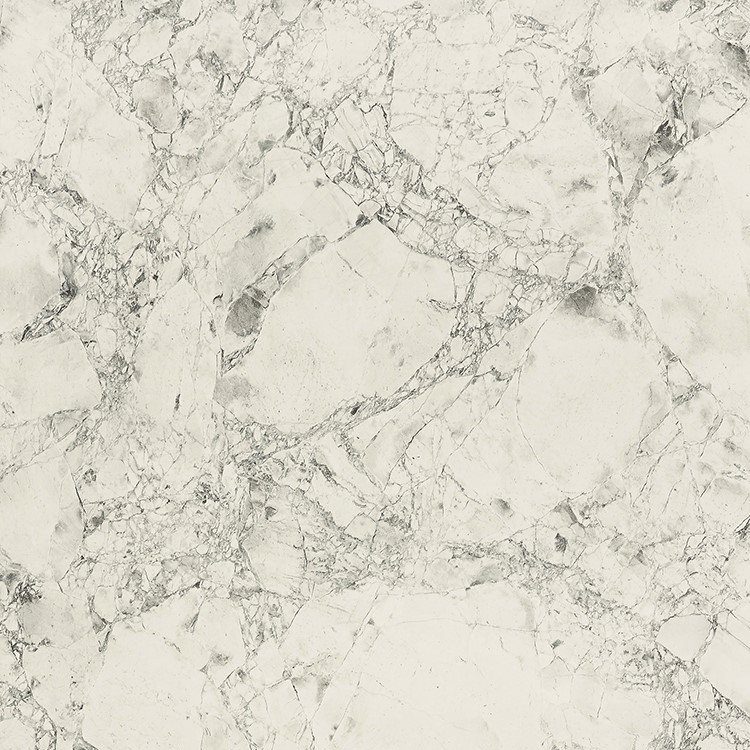
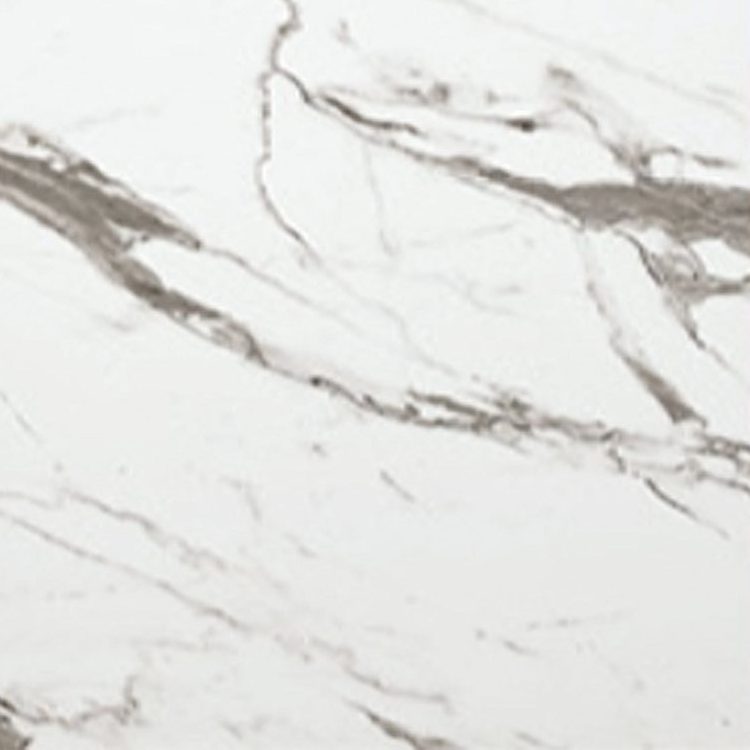
Marble Finish
A marble effect adds elegance, often chosen for hotels, lobbies, and upscale residential areas.
- 5452NT
- 5528
- MB3421
- D495HG
- D477CK
- D476CK
- D412A
- 8812




Metallic Style
Metallic finishes bring a sleek, industrial look suited for modern commercial buildings.
- 8206
- M3002
- M3016
- M8999
- M3007
- M3020


More Details
- HPL Sheet Specification
| Specification | Size Options (mm) | Notes / Applications |
| Sheet Type | Standard HPL / Postforming HPL | Standard for flat panels; Postforming for curved edges |
| Standard Thickness | 0.6 / 0.7 / 0.8 / 1.0 / 1.2 | Common for bonding onto MDF/plywood in countertops, vanity tops, wall panels |
| Width | 1220 / 1300 / 1525 | Common sheet widths (custom widths available) |
| Length | 2440 / 3050 / 3660 | Longer lengths reduce seams for worktops and wall cladding |
| Surface Finish | Matte / Gloss / Textured / Anti-fingerprint | Finish selection affects scratch visibility and design style |
| Surface Design | Solid / Woodgrain / Stone / Abstract | Match interior themes and project requirements |
| Core Structure | Kraft paper core + resin | High-density layers for durability |
| Performance Grade | General / Commercial / Exterior grade (optional) | Choose by traffic level and exposure conditions |
| Fire Performance (Optional) | Standard / Fire-rated available | Depends on market requirements and certification needs |
| Recommended Use | Kitchen worktops / Bathroom vanity tops / Furniture surfaces / Wall panels | Used as a decorative surfacing layer (requires substrate) |
There isn’t one single thickness. It depends on the project and the base material being used underneath.
In many cases, yes. It handles moisture better and doesn’t rely as much on a base.
Custom thickness and sizing are usually possible, but they take more time.
Thickness range, finish type, panel size, and tolerance should be checked first.


It Really Comes Down to the Use
There’s no one thickness that works for everything. It depends on where the surface goes and how it gets used. Kitchens, bathrooms, and wet areas all ask for different things. Getting that part right early avoids headaches later. If needed, specs, samples, pricing, or help with sizing and cutting can be shared before moving ahead.
 English
  Russian
  Spanish
  Arabic
  German
  Chinese
  Thai
Thai  Vietnamese
  Italian
  French
  Portuguese
  Turkish
  Korean